
Net assets represent the residual interest in an organization’s assets after deducting liabilities, and they can be further categorized into unrestricted and restricted net assets. While both types contribute to an organization’s overall financial position, there are key differences between them that warrant closer examination. These funds allow the organization to adapt and respond to changing needs within the community it serves. When it comes to understanding the financial health and stability of an organization, one crucial aspect to consider is its net assets. Net assets represent the residual value of an organization’s assets after deducting liabilities. Understanding the differences between these two types of net assets is essential how is sales tax calculated for anyone involved in financial management or decision-making within an organization.

The Role of Unrestricted Net Assets in Supporting Organizational Sustainability
- However, by implementing a comprehensive fundraising strategy that included building unrestricted net assets, they were able to secure stable funding sources and reduce reliance on unpredictable grants.
- These unrestricted net assets are also referred to as the operating reserves and represent the cumulative earnings over the life of the non-profit organizations.
- That is, the assets may be used by the organization for general expenses or any legitimate expenditure.
- The concept of inurement—using tax-exempt funds for private benefit—is a constant legal constraint on the board’s discretion.
- This proactive approach ensures that NGOs are better equipped to handle emergencies when they arise, minimizing the time lag between disaster occurrence and relief efforts.
That said, factors like program type, revenue volatility, and funding cycle predictability will affect this target. In simpler terms, LUNA represents the “rainy day” reserves a nonprofit can access without restriction, enabling it to pay bills, make payroll, and keep programs running even during lean or uncertain times. From there, subtract the net assets with donor restrictions from your total to separate the two categories. Anything your nonprofit owes—debt, payables, deferred revenue, etc.—is considered a liability.
Non Profit Unrestricted net assets
For nonprofit professionals looking to deepen their understanding of financial management and improve their skills in managing net assets, a variety of resources are available. Here are some recommended books, courses, and websites that provide valuable insights and professional assistance in nonprofit financial management. Understanding these distinctions is crucial for anyone involved in managing or overseeing the finances of a nonprofit.
Unrestricted Net Assets: Unlocking Financial Flexibility for NGOs
- Although the organization has a substantial amount of unrestricted net assets, only half of it is immediately accessible as cash.
- By allowing organizations to allocate funds where they are most needed, unrestricted net assets provide a safety net during times of uncertainty and enable NGOs to pursue their mission effectively.
- Since unrestricted net assets are not subject to donor restrictions, nonprofits have more control over how they are used.
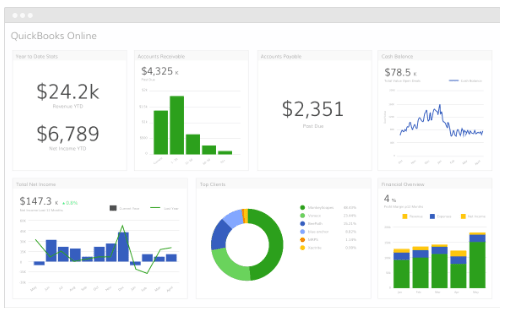
- Using this workaround, you can use QuickBooks to its best advantage and still be able show net assets balances that are appropriate for your organization.
- They include both monetary resources like cash and investments as well as assets that aren’t monetary but still have financial value for your organization, such as property and equipment.
In the following sections, we will explore the various categories of net assets and their implications for nonprofit management. Contact Know Bookkeeping for Etsy Sellers Your Numbers today for expert guidance and support in mastering the intricacies of financial statements. Nonprofit organizations leverage specialized technology to handle the intricacies of fund accounting, ensuring compliance and facilitating reporting. The 2nd entry is the key – as it records how we shifted the fund from the “restricted” to the “unrestricted” category. We would debit “Reclassification – Net Asset with Donor Restrictions” and credit “Reclassification – Net Asset without Donor Restrictions.” for $10,000.

What Are Unrestricted Net Assets on the Balance Sheet for Fund Accounting?
Unrestricted net assets are disclosed in a nonprofit organization’s financial statements and are typically reported as a separate line item. In addition, nonprofits must ensure that their use of unrestricted net assets is consistent with their mission and that they are used in the best interest of the organization. Moreover, unrestricted net assets empower NGOs to take proactive measures in preparing for potential crises.
More Resources
- Among the categories, unrestricted net assets play a particularly versatile role in the financial operations of a nonprofit.
- Understanding unrestricted net assets is crucial for assessing the fiscal sustainability of an organization.
- The primary purpose of unrestricted net assets is to facilitate sound financial planning, strategic decision-making, and operational flexibility within nonprofit organizations.
- The Environmental Conservation Organization, a small nonprofit dedicated to preserving natural habitats, faced the challenge of securing long-term funding for their conservation projects.
- To start, take your total expense for the year and divide by 12 to get a monthly expense number.
By analyzing the Statement of Cash Flows, stakeholders can gain insights into the organization’s financial health and its ability to meet its short-term obligations. It also helps them assess the organization’s cash flow management and make informed decisions regarding funding and investments. It’s essential for stakeholders to carefully review the Statement of unrestricted net assets Financial Position to assess the nonprofit’s financial stability and make informed decisions.