
A strong support system plays a key role in a person’s aftercare treatment, decreasing chances of relapse after rehab and dealing with relapse if it happens. Being able to face up to it right after a relapse happens helps greatly, whether you take steps to get back to sobriety or not. It could be your family members and sober friends, support groups, or you can ask for professional help from a therapist. Any kind of support is needed for you during this difficult period. A relapse (“lapse,” “slip,” “setback”) is one of the most frustrating, humiliating experiences you can face in recovery from any problem habit. It leaves you feeling guilty, ashamed and tempted to throw in the towel and just keep acting out on the addiction.
I Relapsed: A Compassionate Guide to Getting Back on Track
Set new Alcohol Use Disorder goals, create a plan to stay on track, and celebrate small victories along the way. And that you may need to modify or change your treatment plan. During a relapse with addiction, there’s no reason to think we’ve failed at recovery. Receive weekly insights to help you and your loved ones on your road to recovery.
NoFap Urges: 9 Effective Ways to Control Urges on NoFap
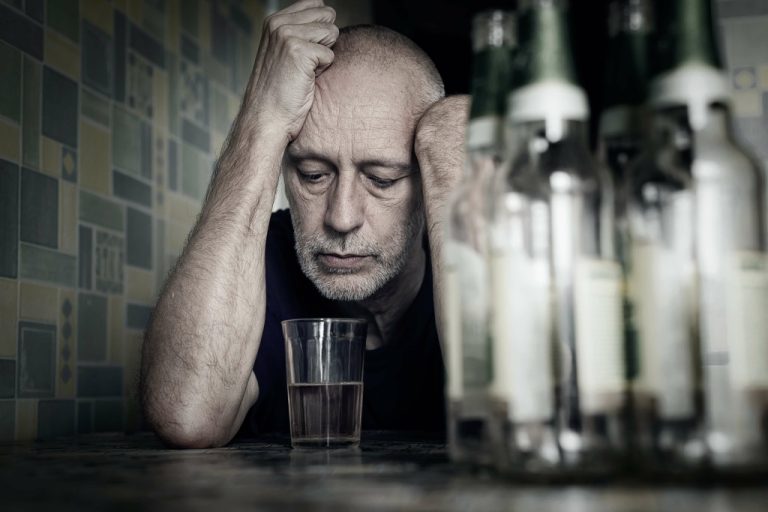
Every month includes information about the latest research, relevant podcasts, blogs, and announcements. Reach out to our team today—it’s never too late to seek help! We are dedicated to providing you with the support and healing you deserve. The goal is to create a routine that prioritizes self-care and reinforces positive behaviors, helping you recover from a relapse. If you want to know what are the common reasons behind relapse and how to avoid them, check out my THIS ARTICLE. When you’re done taking a shower and meditating, sit down with a paper and pen.

Physical Changes You’ll Experience on NoFap NoFap Benefits
Marlatt’s cognitive behavioral model emphasizes the importance of recognizing and managing triggers — situations, thoughts or feelings that can lead to substance use. By addressing mental health issues alongside substance use, you strengthen your ability to maintain long-term sobriety and build a healthier, more resilient future. Physical environments can also serve as powerful triggers. Returning to neighborhoods, bars or homes where you previously used substances can activate cravings and old habits.
Let them know whether you just need them to listen, or if you’re ready for them to what to do after a relapse help you. If the person seems disappointed, sad, or frightened, try not to take their reaction personally. It can be a shock to learn that someone you love is hurting themselves, but that doesn’t mean they’re judging you. Colter is a licensed psychotherapist and the owner and founder of Thrive Therapy.
- Whatever it is, it’s time to reassess and revise at this stage.
- Help is available, and support is closer than you think.
- Managing stress and mental health is an essential part of any recovery plan.
If you keep these thoughts to yourself, you are in danger of physical relapse. You can get back on track more easily during this stage of relapse. When you are aware of the different stages of relapse, you can get out ahead of a full-blown relapse.
- It’s scary when a loved one with a drug or alcohol addiction relapses, but there are strategies to regain control following a setback.
- You can still be successful on the path of recovery even if a lapse did occur; it is possible to remain sober no matter what came before.
- Consider attending New Life House, a reputable sober living community dedicated to supporting individuals in their journey toward lasting sobriety.
- Recovery is not a solo process—staying engaged with a community is key in how to deal with a relapse.
Recovery as a Journey
Addiction should not be thought of in a positive way; addiction does more harm than it does good, and it will remain a chronic brain condition. It is not possible for an individual to use drugs casually, or drink on social occasions, regardless of the techniques they have learned in therapy. Maintaining sobriety is challenging, and relapse will always be on the minds of patients. The potential for relapse will always be there, but how much of a risk the relapse becomes is dependent on self-sufficiency, coping mechanisms, and treatment. A ‘freelapse’ happens when someone relapses by accident, unintentionally using drugs or drinking alcohol by mistake.